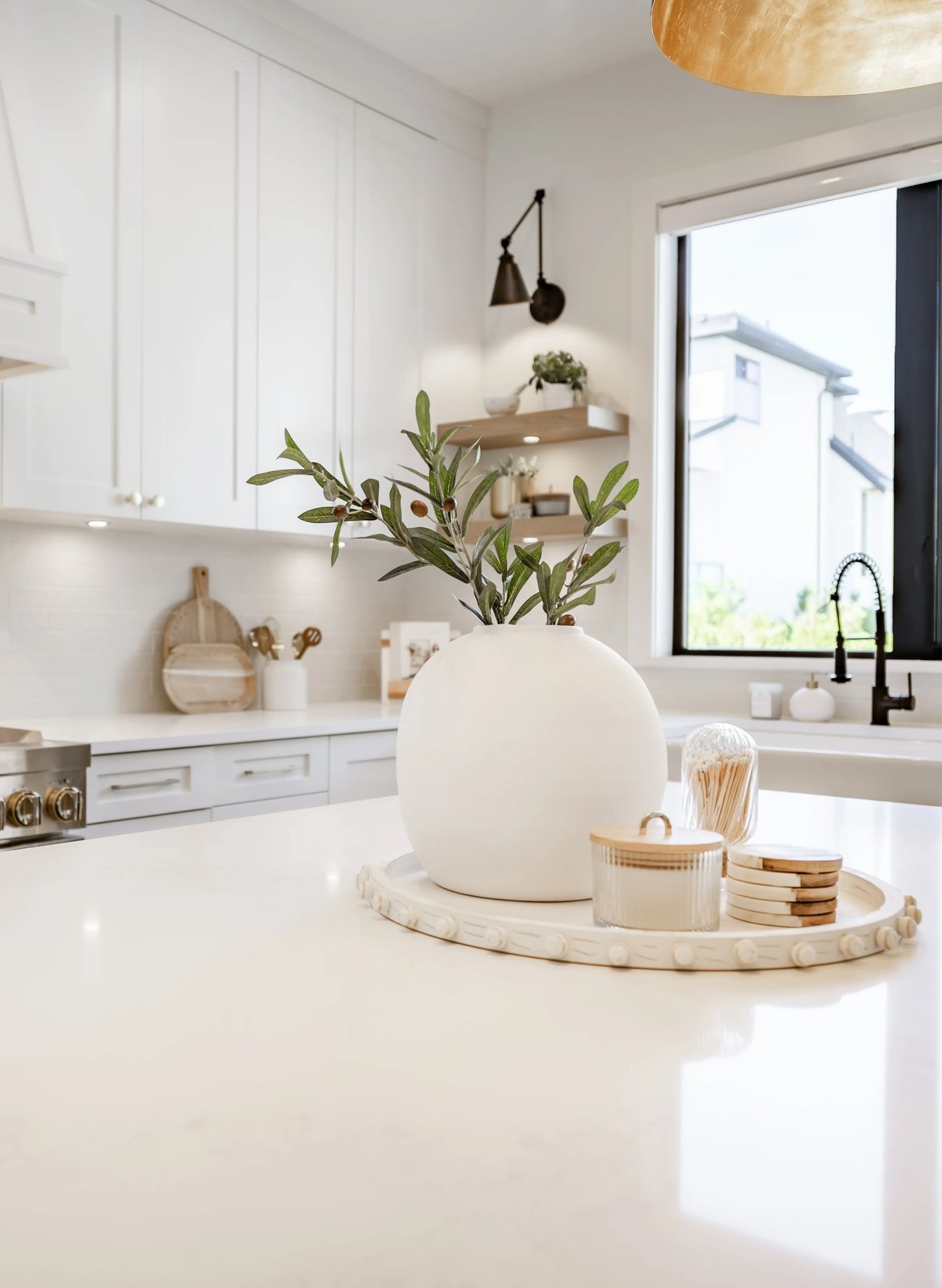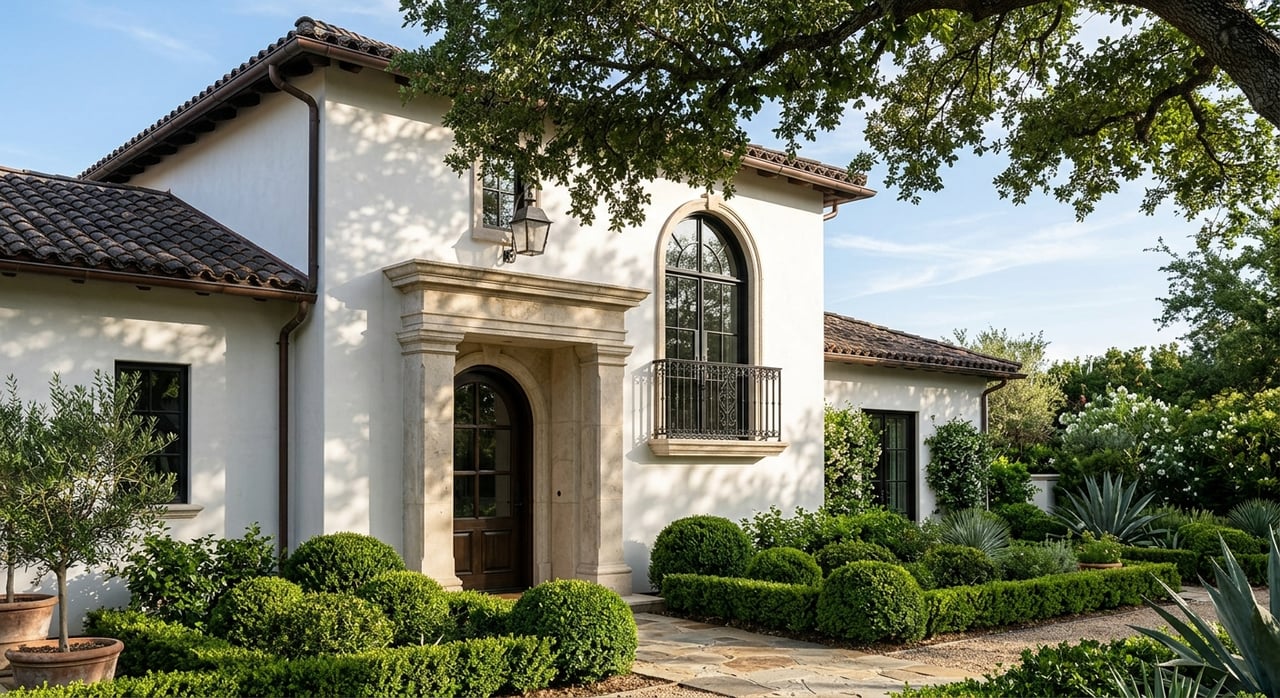
Are you drawn to the energy of downtown living, or do you picture yourself in a more residential setting with mature trees and a strong sense of place? If you are choosing between Downtown San Antonio and Alamo Heights, the right fit often comes down to how you want your days to feel, not just what kind of home you want to buy. This guide will help you compare housing, lifestyle, walkability, and day-to-day convenience so you can move forward with more clarity. Let’s dive in.
Downtown vs. Alamo Heights at a Glance
Downtown San Antonio and Alamo Heights sit close to each other, but they offer very different living experiences. Alamo Heights is a separate municipality about 4.5 miles north of downtown and has been shaped by a long-standing residential identity. Downtown, on the other hand, serves as San Antonio’s economic and cultural center and is planned as a mixed-use area where people can live, work, and spend time in one place.
That contrast shows up quickly in the numbers and the setting. Alamo Heights has 7,632 residents across 1.84 square miles, while the Downtown Area Regional Center is planned around a population of 25,400. In Alamo Heights, the owner-occupied rate is 74.1%, and the median owner-occupied home value was $779,400 in the 2020 to 2024 ACS estimates.
How the Housing Mix Feels
Downtown homes and residences
If you want a lower-maintenance home base, downtown often offers the cleaner match. Planning documents describe a housing mix that leans toward apartments, condos, lofts, adaptive-reuse buildings, and mixed-use development, with only a few scattered single-family pockets. The city is also working toward a broader range of housing types, including more ownership options and small-scale infill.
In practical terms, downtown living often means shared-building amenities, less exterior upkeep, and a more vertical style of living. If you value a lock-and-leave routine, that can be a major advantage. It can also appeal to buyers who want to be close to restaurants, cultural destinations, and daily activity.
Alamo Heights homes and residences
Alamo Heights has a more varied residential fabric than many buyers expect, but the overall feel is still more rooted in detached-home living. The area was originally planned as a suburban residential development with large lots, preserved trees, and streets that followed the natural contours of the land. That planning history still shapes the community today.
You will see several distinct housing patterns across the city. Some areas include postwar one-story ranch homes, while others feature smaller cottages, stone and brick homes, duplexes, triplexes, townhomes, rowhouses, older apartment buildings, and some condo projects. The zoning code is also designed to keep homes proportional to lot size and preserve front-yard character, which supports a more consistent neighborhood feel.
Lifestyle and Everyday Rhythm
Downtown daily life
Downtown tends to suit buyers who want an urban pace and easy access to activity. The city’s planning framework emphasizes walkability, pedestrian safety, and a mixed-use future, which supports a lifestyle where more of your routine can happen close to home. If you enjoy being in the middle of things, downtown offers that sense of connection.
That said, active urban living comes with tradeoffs. City event guidance notes recurring street closures and parking management tied to construction and events. For some buyers, that energy is part of the appeal. For others, it can make daily logistics feel less predictable.
Alamo Heights daily life
Alamo Heights usually feels more neighborhood-driven. The city describes its mission around protecting native beauty, community character, and a strong sense of place, and that language aligns closely with how many buyers experience it. Even though it is close to downtown, the atmosphere is generally more residential and less event-oriented.
Planning materials also make clear that Alamo Heights values walking, jogging, running, and biking. At the same time, the city acknowledges that Broadway and Austin Highway have often functioned more like automobile corridors than pedestrian streets. That means you may find a pleasant neighborhood feel, but your daily routine may still involve more driving than a downtown lifestyle would.
Walkability, Transit, and Getting Around
Why downtown works for car-light living
If reducing your dependence on a car matters to you, downtown has the stronger case. VIA reports numerous downtown bus routes from early morning to late night, with Prímo 100 running from 4:00 a.m. to 1:00 a.m. and VIA Link’s downtown zone operating from 7:00 a.m. to 11:00 p.m. Those options support a more flexible, car-light routine.
The city also provides parking management tools for downtown residents, including resident parking permits in designated zones. Guidance around Park & Ride and VIA Link shows how the area is actively managed for density, events, and movement. If convenience means having multiple ways to get around, downtown is designed with that in mind.
What to expect in Alamo Heights
Alamo Heights is not isolated from the city, but its mobility pattern is different. It is close enough to downtown for an easy connection, yet the local street experience is more shaped by neighborhood corridors and everyday driving. Walkability is part of the city’s vision, though the built environment is still catching up in some places.
A current example is the city’s pedestrian-focused redesign effort for the Broadway and Ogden intersection, announced on May 19, 2026. That signals ongoing investment in a safer and more connected pedestrian experience. If you value a residential setting and are comfortable with a more car-oriented routine, Alamo Heights may still feel like the better fit.
Which Area Fits Your Lifestyle?
Best fit for lock-and-leave buyers
Downtown is often the easier choice if you travel often or want a low-maintenance home. The housing mix is more centered on condos, lofts, apartments, and mixed-use buildings, and the transit network supports flexible daily movement. If you want to close the door and go, downtown aligns well with that goal.
Alamo Heights can still work if you prefer a smaller home or want a more residential backdrop. But in general, its housing stock is more tied to detached-home ownership and the upkeep that can come with it. For many lock-and-leave buyers, that becomes the deciding factor.
Best fit for growing households
Alamo Heights is often the stronger match if you want more single-family space and a neighborhood setting with architectural continuity. City materials emphasize residential character, tree cover, privacy, and preserving neighborhood scale. Those qualities often matter when you are thinking beyond the house itself and considering how the broader setting supports your routine.
The city also points residents to Alamo Heights Independent School District, which reflects the area’s community structure. Downtown can still suit buyers who intentionally want an urban lifestyle, but the city’s own housing plan shows that family-attainable ownership is more of a future goal there than the current default pattern.
Best fit for downsizers
For downsizers, the right answer often comes down to how you want to live day to day. Downtown may suit you if you want elevator access, less exterior maintenance, and close proximity to the River Walk, dining, and downtown programming. It offers a more streamlined version of homeownership.
Alamo Heights may feel better if you want a quieter residential environment and still prefer the character of a cottage, ranch home, or smaller-scale residence. You may take on more maintenance than you would with a condo, but you may also gain a setting that feels calmer and more rooted. This is one of the most personal comparisons in the market.
What the Choice Really Comes Down To
If you are deciding between these two areas, start with your routine before you focus on finishes or square footage. Downtown generally offers urban convenience, stronger transit access, walkability, and low-maintenance housing options. Alamo Heights more often delivers detached-home living, neighborhood continuity, architectural variety, and a more residential street life.
Neither choice is universally better. The right fit depends on whether you want your home to feel like a private retreat in a residential setting or a stylish base near the center of city life. When your home matches your pace, your priorities, and the way you want to move through the week, the decision becomes much clearer.
If you are weighing Downtown San Antonio against Alamo Heights and want a more tailored, private conversation about lifestyle fit, home options, and next steps, Ruth Storrie can help you navigate the choice with a calm, curated approach.
FAQs
Is Alamo Heights part of downtown San Antonio?
- No. Alamo Heights is a separate home-rule municipality located about 4.5 miles north of downtown San Antonio.
What kind of homes are more common in downtown San Antonio?
- Downtown housing is generally centered on apartments, condos, lofts, adaptive-reuse buildings, mixed-use residences, and a few scattered single-family pockets.
What kind of homes are more common in Alamo Heights?
- Alamo Heights includes many detached homes, such as one-story ranch and cottage-style residences, along with duplexes, triplexes, townhomes, older apartment buildings, and some condo projects.
Is downtown San Antonio easier for a car-light lifestyle?
- Yes. Downtown has numerous VIA bus routes, Prímo 100 service from 4:00 a.m. to 1:00 a.m., and VIA Link service from 7:00 a.m. to 11:00 p.m., which makes transit use more practical.
Is Alamo Heights more residential than downtown San Antonio?
- Yes. Alamo Heights is broadly defined by residential character, preserved neighborhood scale, and a more neighborhood-driven daily feel than the urban core.
Which area is usually better for a lock-and-leave buyer in San Antonio?
- Downtown is usually the better fit for lock-and-leave buyers because its housing stock is more oriented toward condos, lofts, and other lower-maintenance options.
Which area is usually better for a buyer who wants a single-family home?
- Alamo Heights is typically the stronger fit if you want more single-family housing options and a more traditional residential setting.